Edinburgh in winter is two cities at once. There is the postcard version: frost on the cobbles, the castle floodlit, a fire and a pint at the end of the day. Then there is the reality of sideways rain, a sunset not long after half three, and a wind that comes straight off the Forth. Both are true. Plan around the light, keep an indoor option ready for every day, and you will enjoy it far more than the people shivering outside the castle in trainers.
What winter actually looks like in Edinburgh
Mid-December gives you roughly seven hours of daylight, and most of it sits in the middle of the day. Treat 10am to 2pm as your outdoor window: that is when you walk the Royal Mile, climb Calton Hill or head up to the castle.
Temperatures are rarely dramatic, but the damp and the wind do the damage. Snow is occasional and usually turns to slush within a day, while ice on pavements and in the steep closes is a genuine hazard. Wear boots with grip rather than trainers. Umbrellas are a liability in a city that funnels wind down its streets, so a hooded waterproof jacket wins every time.
January and February are quieter and cheaper than December. The Christmas market packs up in early January, but you get cold, clear light, shorter queues and a city that feels like it belongs to residents again.
Hogmanay: what it involves and what to book
Edinburgh's Hogmanay is a run of events rather than one night: the torchlight procession, the ticketed street party on Princes Street, the concert in Princes Street Gardens and the midnight fireworks. They sell out, and some have been cancelled at short notice when the weather turns, so book early and check official channels on the day.
A few practical points that catch people out:
- Roads close across the centre from early evening. Work out how you are getting back before midnight, not after.
- Expect security searches, long queues and a ban on glass.
- Wear far more than you would for a normal night out. Standing still in a crowd for three hours is cold work.
- Book Hogmanay dinner weeks ahead; many restaurants run set menus and fill up quickly.
If crowds are not your idea of fun, plenty of pubs run folk sessions, and hills such as Calton Hill or Inverleith Park usually offer a free view of the fireworks, though access is sometimes managed on the night. Note that 1 and 2 January are public holidays in Scotland: plenty of shops, cafés and attractions close or open late.
Cosy pubs and where to warm up
The pub is Edinburgh's winter living room, and the good ones are smaller than you expect. A few reliable choices, by mood:
- The Sheep Heid Inn, Duddingston — one of the oldest pubs in Scotland, with a fire and a proper menu. Pair it with a walk round the loch.
- The Bow Bar, Victoria Street — tiny, whisky-heavy, no music, no fuss. Good for a quiet half hour.
- Sandy Bell's, Forrest Road — folk sessions most evenings; expect to stand.
- The Guildford Arms, near Waverley — ornate Victorian ceiling, well-kept ales, handy for the station.
- The Jolly Judge, just off the Royal Mile — low beams and a snug that is hard to leave.
Book food in December, even midweek. And order the winter menu rather than the salad: steak pie, cullen skink, haggis with neeps and tatties.
Sightseeing that works when it is cold and wet
Free indoor options
The National Museum of Scotland on Chambers Street is free, warm and enormous, with everything from Dolly the sheep to several floors of Scottish history. The Scottish National Gallery on the Mound and the Portrait Gallery on Queen Street are also free and central. St Giles' Cathedral on the Royal Mile costs nothing to enter and is worth twenty minutes of anyone's time.
The castle, honestly
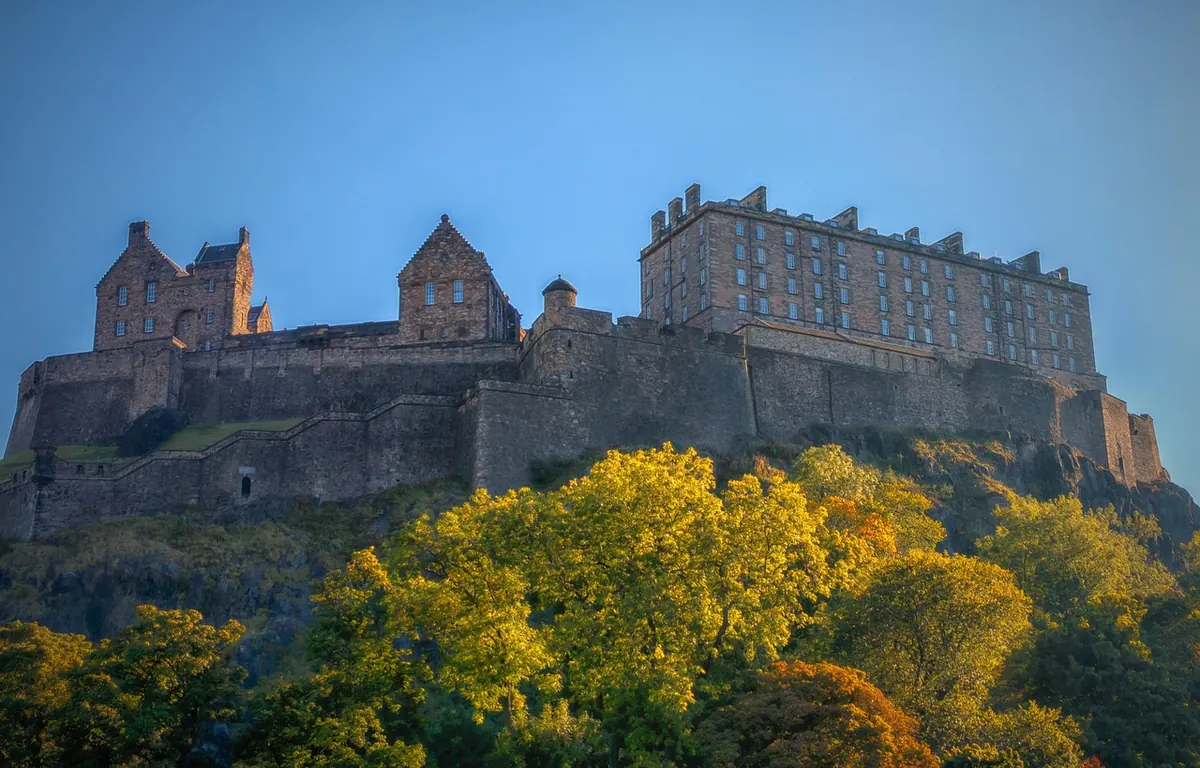
Edinburgh Castle is open all year, but winter hours are short and it shuts mid-afternoon, so book a morning slot and go early. It is also the most exposed major attraction in the city: a long climb up the Esplanade, wind at the gate, ice underfoot. The Honours of Scotland, the Stone of Destiny and the war museum are indoors, which is where you will want to be on a bad day. If you are here for a weekend and the forecast is heavy rain, leave it for another trip.
Underground tours and other refuges
Close and vault tours are the smart winter choice: indoors, atmospheric and unaffected by the weather. The Real Mary King's Close is the best known and books out at weekends. Camera Obscura, Dynamic Earth and the Royal Yacht Britannia in Leith are all indoor and easy to reach by bus. The glasshouses at the Royal Botanic Garden are a good bet on a cold, bright morning, and the garden itself is free.
What to skip in winter
Some things are simply better in June.
- Open-top bus tours. The top deck in a February wind is an endurance test. Sit downstairs, or take a normal Lothian bus for a fraction of the cost.
- Arthur's Seat and Salisbury Crags on icy or windy days. The paths get genuinely dangerous, and it is dark by mid-afternoon. Save the summit for a clear, dry day and tell someone where you are going.
- Exposed ruins. Linlithgow Palace, Tantallon Castle and similar sites are bleak and slippery in winter, and some cut their opening days.
- Long outdoor ghost walks on wet nights. Take a vault tour instead.
Portobello Beach deserves a mention: superb on a clear, frosty morning, deeply unpleasant in a gale. Check the forecast before you go.
Winter essentials: a short checklist
- Waterproof jacket with a hood, and boots with grip. Leave the umbrella at home.
- Hat, gloves, scarf, and layers you can shed in a warm museum or pub.
- Book the castle, any close tour and December dinners before you travel.
- Plan outdoor sights for the middle of the day, with an indoor backup for each one.
- Carry a power bank; cold weather flattens phone batteries quickly.
- Check opening hours around 25 December, 1 and 2 January, and check what your travel insurance covers if weather disrupts your journey.
Build in slack. Winter in Scotland means the occasional cancelled train or closed road, and a day with one good indoor anchor and one optional walk beats a schedule that assumes sunshine. If something is disrupted, deal with your provider directly, and read the terms of your cover before you travel rather than after.
Photo: Walkerssk / Pixabay